






How to Maintain Healthy Hair at Home | ChillBloom Hair Care Tips
Discover how to maintain healthy hair at home with ChillBloom. Learn simple hair care routines, natural remedies, and tips to keep your hair strong, shiny, and nourished.


How to Maintain Healthy Hair at Home
Healthy hair isn’t just about appearance—it’s about how you nurture yourself every day. Your hair responds to stress, nourishment, rest, and even your mood. That’s why maintaining beautiful, strong hair at home doesn’t require a shelf full of fancy products; it simply takes consistency, small lifestyle upgrades, and a little ChillBloom-inspired calm. Whether your goal is shinier strands, better growth, fewer tangles, or just a routine you actually enjoy, this guide walks you through simple habits that support your hair from the inside out.
1. Start With Your Scalp: The Root of Everything
People often forget that great hair begins with the scalp. Imagine trying to grow flowers in poor soil—it just doesn’t work. Your scalp needs to be clean, balanced, and nourished so your hair can thrive.
One of the easiest habits to start at home is scalp massage. Just two to three minutes a day stimulates blood flow, which supports healthy follicles and encourages growth. You don’t need any tools—just your fingertips. Circular motions along the crown, sides, and nape can help loosen tension, reduce dryness, and create a relaxing self-care moment.
If your scalp tends to get oily, avoid overwashing. Excess washing triggers more oil production. For dry scalps, consider using a few drops of natural oils like jojoba or argan and gently massaging them in once or twice a week.
2. Choose Shampoo and Conditioner Based on Your Hair’s Needs
You don’t need expensive products to build an effective hair routine. What matters is choosing shampoo and conditioner that match your hair type.
- Dry or curly hair: Hydrating formulas with shea butter, coconut milk, or aloe work well.
- Oily hair: Clarifying or balancing shampoos help regulate sebum without stripping your scalp.
- Thin or fine hair: Lightweight conditioners prevent hair from feeling weighed down.
- Damaged hair: Look for protein-enriched products to help strengthen strands.
A great at-home habit is double cleansing—especially if you use styling products. The first wash removes buildup; the second cleans the hair and scalp more effectively. Just avoid double washing on dry, fragile hair to prevent dehydration.
3. Don’t Skip Deep Conditioning
Deep conditioning is like giving your hair a big drink of water. Once a week, treat your hair to a mask or conditioner with nourishing ingredients. At home, you can improve results by leaving the product on for at least 15 minutes. For even deeper penetration, wrap your hair in a warm towel.
This is especially important if your hair is:
- Color-treated
- Heat-styled frequently
- Naturally dry or coarse
- Exposed to sun, chlorine, or pollution
Making deep conditioning a weekly ritual supports elasticity, reduces breakage, and helps your hair stay soft and manageable.
4. Use Heat Safely (or Less Often)
Heat styling is a lifesaver for quick, polished looks—but daily exposure to high temperatures can slowly damage the cuticle of each strand. You don’t have to give up heat entirely; just be more mindful.
Healthy heat habits include:
- Always using a heat protectant spray
- Allowing hair to air-dry at least halfway before blow-drying
- Keeping tools at moderate temperatures rather than max heat
- Avoiding repeated passes over the same section
If you're looking to scale back on heat, experiment with no-heat styling: braids for waves, twist-outs for curls, or loose buns for soft volume. Your hair will thank you in the long run.
5. Trim Regularly, Even at Home
Split ends can travel up the hair shaft, making hair appear frizzy and thin. Regular trims—every 8 to 12 weeks—help maintain shape and prevent breakage from spreading.
If salon visits aren’t convenient, you can do small trims at home using sharp hair-cutting scissors. Snip only the very ends and avoid major shape changes unless you feel confident. Even cutting off half an inch can keep your hair looking fresh and healthy.
6. Hydrate From the Inside Out
Hair health is deeply connected to hydration. Dehydration makes strands brittle, dry, and more prone to breakage. If you notice your hair lacking shine or elasticity, increasing your water intake can make a surprisingly big difference.
Try these hydration tips:
- Start your day with a full glass of water.
- Eat water-rich foods such as cucumbers, oranges, and berries.
- Keep a refillable bottle nearby throughout the day.
Hydration also promotes better scalp balance, which supports stronger, healthier hair growth.
7. Nourish Your Hair Through Your Diet
Your hair relies on nutrients to grow, rebuild, and stay strong. A healthy diet leads to healthier hair—simple as that. You don’t need supplements unless recommended by a healthcare provider; most of what your hair needs comes naturally from wholesome foods.
Great hair-boosting nutrients include:
- Protein: eggs, beans, lentils, seafood
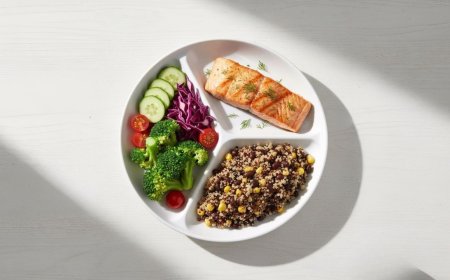
- Omega-3 fatty acids: salmon, chia seeds, walnuts
- Iron: spinach, tofu, chickpeas
- Biotin: oats, sweet potatoes, almonds
- Vitamin C: citrus fruits, broccoli, strawberries
Think of your meals as part of your hair care routine. When you feed your body well, your hair responds.
8. Brush the Right Way
Brushing may seem simple, but the wrong habits can cause unnecessary breakage. Start by using a detangling brush or wide-tooth comb. Always begin at the ends and work your way up, gently loosening knots instead of ripping through them.
Brushing also distributes natural oils from your scalp throughout your hair, giving it a natural shine. If you have curly hair, brushing when dry can disrupt your curl pattern. Instead, detangle when your hair is damp and conditioned.
9. Protect Your Hair While You Sleep
Your nighttime routine plays a big role in hair health. Cotton pillowcases can pull moisture from your hair and cause friction, leading to frizz and breakage. Instead, switch to a satin or silk pillowcase to keep your strands smooth and hydrated.
You can also protect your hair by:
- Sleeping with it in a loose braid
- Using a satin bonnet
- Applying a small amount of leave-in conditioner before bed
Over time, these habits improve texture, reduce tangles, and preserve your style.
10. Keep Stress in Check
Your hair often reflects your overall well-being. High stress levels can lead to shedding, slowed growth, and scalp imbalances. Incorporating calming rituals—like meditation, journaling, gentle yoga, or mindfulness—can improve not only your inner peace but also your hair health.
This is the heart of the ChillBloom approach: caring for your hair by caring for yourself.
11. Be Patient and Kind to Your Hair
One of the most important parts of maintaining healthy hair at home is patience. Hair grows slowly—about half an inch per month—so small changes add up over time. Focus on nurturing your hair rather than chasing quick fixes. Gentle care, consistency, and simple routines often lead to the most stunning results.
What's Your Reaction?