







Seasonal Skincare: What Changes You Need to Make | ChillBloom Skincare Guide
Learn how to adjust your skincare routine for each season with ChillBloom. Discover tips and product changes to keep your skin healthy, hydrated, and radiant year-round.


Seasonal Skincare: What Changes You Need to Make
Your skin is always talking to you—it tightens when the air gets dry, becomes shinier when the temperature rises, and reacts to even the smallest shifts in weather. Just like our clothing changes with the seasons, our skincare routines should adjust too. The products and habits that work beautifully in the summer may not be enough in the winter, and what nourishes your skin during chilly months might feel too heavy when humidity returns.
Seasonal skincare is all about responding to your skin’s changing environment. When you shift your routine with the weather, you protect your skin barrier, prevent seasonal irritation, and support a healthy, radiant complexion year-round. This guide breaks down how each season affects your skin and what simple changes you can make to stay glowing no matter what the weather brings.
1. Why Your Skin Changes With the Seasons
To understand seasonal skincare, you have to know how the environment impacts your skin. Here are some of the biggest seasonal influences:
- Humidity: Low humidity leads to dryness; high humidity increases oil production.
- Temperature: Heat can increase sweating; cold can weaken your skin barrier.
- UV exposure: Sunlight varies by season but can impact your skin year-round.
- Wind: Strong winds can irritate and dehydrate skin.
- Indoor heating & air conditioning: Both can dry out the air and your skin.
When you adjust your routine according to these environmental changes, your skin stays balanced and more resilient.
2. Winter Skincare: Focus on Hydration and Barrier Support
Winter is often the harshest season for your skin. Cold temperatures, dry air, and indoor heating can leave your complexion feeling tight, flaky, or irritated.
Common Winter Skin Issues
- Dryness or dehydration
- Redness or sensitivity
- Flaky patches
- Chapped lips
- Compromised moisture barrier
Winter Skincare Tips
Switch to a gentle cleanser
Foaming cleansers may feel too drying. Cream or gel-based cleansers help maintain moisture.
Use a richer moisturizer
Winter calls for thicker creams that strengthen the skin barrier. Look for ingredients like:
- Ceramides
- Shea butter
- Hyaluronic acid
- Squalane
Add hydrating layers
Serums are your best friends during winter—layer them underneath your moisturizer.
Good options include:
- Hyaluronic acid
- Panthenol
- Glycerin
- Centella asiatica
Use a humidifier
Indoor heating reduces humidity dramatically. A humidifier brings moisture back into the air—and your skin.
Don’t skip sunscreen
Even when it’s cloudy or cold, UV rays can damage skin.
Treat your lips gently
Use nourishing balms with beeswax, shea butter, or lanolin to prevent cracking.
In winter, the main focus is protecting your barrier and keeping your skin comfortably hydrated.
3. Spring Skincare: Refresh and Reset Your Routine
Spring feels like a reset for your skin. As temperatures warm and humidity increases, your skin begins to adjust from winter dryness to a more balanced state.
Common Spring Skin Issues
- Increased oiliness
- Breakouts from clogged pores
- Mild irritation
- Allergic reactions from pollen
Spring Skincare Tips
Swap heavy creams for lighter textures
Gel moisturizers or lightweight lotions help balance hydration without feeling greasy.
Exfoliate gently to remove winter buildup
Use exfoliation to brighten dull skin—but don’t overdo it.
Good choices include:
- Lactic acid
- Mandelic acid
- Enzyme exfoliants
Watch out for seasonal allergies
Allergies can cause redness, puffiness, and dermatitis. Adding soothing ingredients can help:
- Aloe
- Chamomile
- Green tea
Deep clean the pores
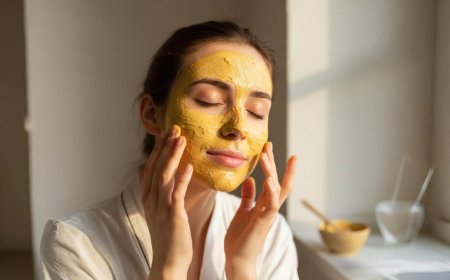
A mild clay mask once a week can help control oil and prevent spring breakouts.
Renew your SPF habit
Even if you were less consistent in the winter, spring is the time to recommit to daily sunscreen.
Spring is about balance—neither too heavy nor too light—while helping your skin transition smoothly.
4. Summer Skincare: Keep It Light, Clean, and Protective
Summer brings heat, sweat, sunshine, and increased oil production. Your skin needs a routine that stays breathable while protecting it from environmental stress.
Common Summer Skin Issues
- Excess oil
- Acne or congestion
- Sunburn
- Melasma or pigmentation
- Dehydration from outdoor heat
Summer Skincare Tips
Use a lightweight cleanser
A gel or foam cleanser removes sweat and oil without leaving residue.
Choose a breathable moisturizer
Opt for:
- Water-based gels
- Oil-free formulas
- Moisturizers with niacinamide
Double down on sunscreen
Sunscreen is the star of summer skincare.
Choose:
- SPF 30 or higher
- Broad-spectrum
- Lightweight or gel formulas
Reapply every two hours when outdoors.
Use antioxidants
Vitamin C, niacinamide, and green tea protect against sun damage and environmental stress.
Avoid heavy makeup when possible
Let your skin breathe. Choose tinted sunscreen or lightweight skin tints if needed.
Hydrate consistently
Sweat increases dehydration, so drink water and use hydrating products to maintain balance.
Summer is all about protection, oil control, and keeping your skin fresh.
5. Autumn Skincare: Repair and Transition Into Cooler Weather
Autumn prepares your skin for winter. The air starts to cool down, humidity decreases, and your skin might begin to lose moisture again.
Common Autumn Skin Issues
- Dry patches
- Dullness
- Sensitivity
- Uneven tone (especially after summer sun exposure)
Autumn Skincare Tips
Reintroduce richer hydration
Start switching from gels to creams to prevent seasonal dryness.
Repair sun damage
After a summer of UV exposure, fall is the perfect time to use:
- Vitamin C
- Peptides
- Gentle retinoids
Strengthen your skin barrier
Look for ceramides, cholesterol, and fatty acids in your products.
Use mild exfoliation
Help renew your complexion and clear out congestion from summer buildup.
Continue sunscreen
UV levels don’t disappear just because the temperature drops.
Autumn is all about restoring balance and gently preparing for winter’s demands.
6. Skin Concerns and Conditions to Watch Each Season
Each season can trigger specific concerns. Here’s how to handle them:
Dryness: Winter & Autumn
Use thicker moisturizers and hydrating serums.
Oiliness: Spring & Summer
Introduce lightweight products and regular cleansing.
Sensitivity: Spring
Use calming ingredients and reduce actives.
Hyperpigmentation: Summer & Early Fall
Increase sun protection and use brightening products.
Breakouts: Summer & Spring
Use gentle exfoliants and avoid pore-clogging formulas.
Understanding when your skin is most vulnerable helps you adjust proactively.
7. Building a Seasonal Skincare Capsule
A minimalist seasonal capsule might include:
- One gentle cleanser
- One lightweight moisturizer
- One richer moisturizer
- Sunscreen (SPF 30+)
- Hydrating serum
- Antioxidant serum
- Clay mask or exfoliant
- Lip balm
These staples can be swapped in or out depending on the season.
8. The Beauty of Seasonal Skincare
Seasonal skincare isn’t about buying more products—it’s about using what you have in smarter, more intentional ways. When you align your skincare with seasonal changes, your routines become more intuitive and effective. Your skin stays balanced, protected, and comfortable all year long.
Think of seasonal skincare as a form of self-awareness. You learn to listen to your skin, respond to its needs, and treat it with consistent, thoughtful care. The results are not just healthier skin—they’re a more grounded, mindful approach to beauty.
What's Your Reaction?