







How to Reduce Sugar Without Feeling Deprived | ChillBloom Healthy Lifestyle Guide
Learn how to reduce sugar without feeling deprived with the ChillBloom guide. Discover simple swaps, balanced eating strategies, and smart tips to cut sugar while still enjoying your food.

How to Reduce Sugar Without Feeling Deprived
Sugar is one of the most common culprits in modern diets. From sweetened beverages to baked goods, sauces, and even seemingly “healthy” snacks, added sugar is everywhere. While it’s fine to enjoy sugar occasionally, excessive intake can lead to energy crashes, weight gain, increased cravings, and a higher risk of chronic conditions like diabetes and heart disease.
Reducing sugar doesn’t have to feel like a punishment or a lifetime of bland meals. With the right strategies, you can enjoy naturally sweet flavors, satisfy cravings, and gradually retrain your taste buds. This ChillBloom guide will explore practical, sustainable methods to cut sugar without feeling deprived.
Why Reducing Sugar Matters
Understanding the impact of sugar on your body can motivate healthier habits:
- Energy spikes and crashes: Sugar causes rapid blood sugar fluctuations, leading to temporary energy followed by fatigue.
- Weight management challenges: Excess sugar contributes to excess calories and fat storage.
- Increased cravings: High sugar intake can trigger more sugar cravings, creating a cycle.
- Mood swings: Blood sugar fluctuations can influence irritability and mood.
- Dental health: Sugar contributes to cavities and enamel erosion.
By reducing sugar mindfully, you support steady energy, improved mood, better digestion, and overall health.
Step 1: Identify Hidden Sugar Sources
Sugar isn’t just in candy or desserts—it’s in many foods you might not expect:
- Flavored yogurt and milk alternatives
- Granola bars and protein bars
- Salad dressings, ketchup, and sauces
- Bread, crackers, and cereals
- Smoothies and fruit juices
Reading labels is key. Look for terms like sucrose, corn syrup, high-fructose corn syrup, maltose, dextrose, cane sugar, and evaporated cane juice. Awareness helps you make conscious decisions without feeling restricted.
Step 2: Gradually Reduce Sugar
Cutting sugar cold turkey can feel extreme and often backfires. Instead, try a gradual reduction:
- Reduce sugar in coffee or tea incrementally (e.g., from two teaspoons to one).
- Cut sugar in baking by 10–25% without replacing it—many recipes still taste great.
- Swap sugary beverages for naturally flavored water or herbal tea.
Gradual changes allow your taste buds to adjust, making naturally sweet foods more satisfying over time.
Step 3: Satisfy Sweet Cravings Naturally
Instead of reaching for candy, focus on naturally sweet foods:
- Fruits: Berries, apples, pears, mango, and pineapple provide sweetness with fiber and nutrients.
- Dried fruits: Dates, raisins, or apricots can add sweetness to oatmeal or smoothies—but watch portions.
- Spices: Cinnamon, nutmeg, and vanilla enhance sweetness perception without sugar.
- Sweet vegetables: Carrots, sweet potatoes, and roasted beets offer natural sweetness in savory dishes.
Incorporating these foods keeps flavor enjoyable while reducing added sugar intake.
Step 4: Upgrade Your Snacks
Many packaged snacks are loaded with sugar. Replace them with healthier alternatives:
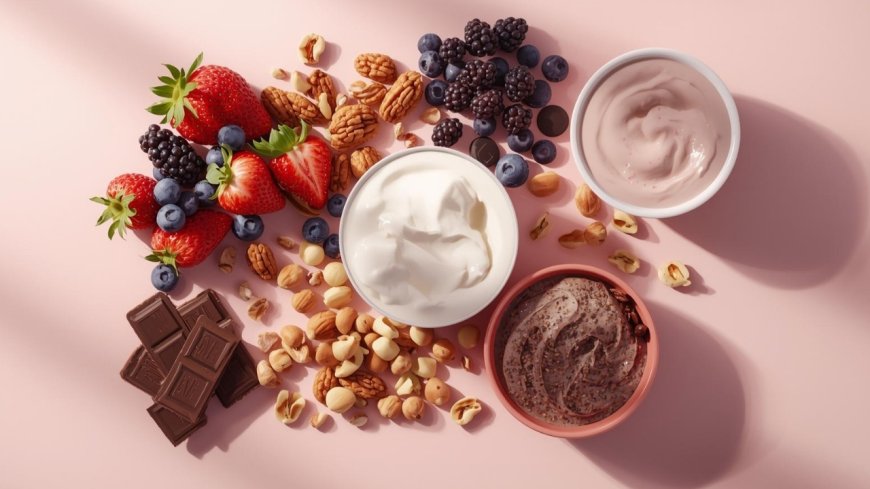
- Greek yogurt with fresh berries and a drizzle of honey
- Apple slices with almond butter
- Nuts mixed with a few dark chocolate chips
- Air-popped popcorn with cinnamon
- Homemade energy bites with dates, oats, and cocoa
Healthy snacks satisfy hunger and cravings while providing nutrients that sugary snacks lack.
Step 5: Choose Whole Foods Over Processed Ones
Whole, minimally processed foods naturally contain less sugar and provide fiber, protein, and healthy fats:
- Swap breakfast cereals for oatmeal topped with fruit.
- Replace packaged muffins with homemade banana bread using ripe bananas for natural sweetness.
- Choose whole fruits instead of fruit-flavored snacks.
By focusing on nutrient-rich foods, you reduce added sugar without sacrificing flavor or satisfaction.
Step 6: Balance Meals with Protein, Fiber, and Healthy Fats
One of the keys to reducing sugar is stabilizing blood sugar levels. Including protein, fiber, and healthy fats in meals slows sugar absorption and reduces cravings:
- Protein: Eggs, lean meats, tofu, beans, Greek yogurt, or nuts.
- Fiber: Vegetables, fruits, whole grains, and legumes.
- Healthy fats: Avocado, olive oil, seeds, and nuts.
Balanced meals reduce energy crashes and make you feel full longer, making sugary treats less tempting.
Step 7: Rethink Beverages
Beverages are a major source of hidden sugar:
- Swap soda, energy drinks, and sweetened coffee drinks with water, sparkling water, or unsweetened tea.
- Add lemon, cucumber, or berries to water for natural flavor.
- Make iced herbal tea with a splash of fruit juice instead of sweetened drinks.
Even small beverage swaps can drastically reduce daily sugar intake.
Step 8: Make Smart Dessert Choices
You don’t have to eliminate dessert completely. Instead, make smarter choices:
- Fruit-based desserts: Baked apples, poached pears, or fruit salad with a sprinkle of cinnamon.
- Dark chocolate: Choose chocolate with 70% cocoa or higher for less sugar and more antioxidants.
- Homemade treats: Bake using natural sweeteners, mashed banana, or unsweetened applesauce.
Treats become occasional highlights rather than habitual sugar spikes, helping you feel satisfied without overdoing it.
Step 9: Plan Ahead
Having a plan reduces impulsive sugar consumption:
- Keep healthy snacks on hand to curb sudden cravings.
- Prepare meals and snacks for the day to avoid reaching for processed foods.
- Make sugar-free or lower-sugar versions of favorite recipes in advance.
Preparation ensures that you have wholesome options when sugar cravings strike.
Step 10: Be Mindful of Emotional Eating
Many people turn to sugar when stressed, tired, or bored. Mindful eating can help:
- Pause before reaching for a sugary snack. Ask: Am I hungry, or am I seeking comfort?
- Find non-food ways to manage emotions: walk, meditate, read, or listen to music.
- Keep a small treat for special moments rather than mindless consumption.
Recognizing triggers allows you to address cravings consciously instead of automatically reaching for sugar.
Step 11: Support Taste Bud Adjustment
Reducing sugar changes your palate. Foods may initially taste less sweet, but over time:
- Fruits will taste sweeter naturally.
- You may appreciate subtle flavors in foods that previously seemed “bland.”
- Spices, citrus, and natural sweetness become more satisfying.
Give your taste buds 2–3 weeks to adjust. The shift may surprise you—less sugar often results in more intense enjoyment of naturally sweet flavors.
Step 12: Celebrate Small Wins
Reducing sugar is a process, not a one-time fix. Celebrate progress:
- Notice improvements in energy, mood, or sleep.
- Recognize when you resist sugary temptations successfully.
- Appreciate the creativity of trying new recipes and swaps.
Positive reinforcement encourages sustainable habits rather than creating feelings of deprivation.
Step 13: Focus on Enjoyment, Not Restriction
Sugar reduction doesn’t mean denying yourself pleasure:
- Enjoy treats intentionally and savor them.
- Pair a small sweet with protein or fiber for satisfaction.
- Replace guilt with gratitude for nourishing, wholesome foods.
Mindset plays a key role—when food is enjoyed consciously, there’s less need for overindulgence.
Step 14: Use Sugar Substitutes Wisely
Natural sugar substitutes can help ease the transition:
- Stevia: Plant-based sweetener with no calories.
- Monk fruit extract: Low-calorie sweetener with minimal aftertaste.
- Erythritol or xylitol: Sugar alcohols that reduce sugar content but can affect digestion in excess.
Use sparingly and in combination with natural sweetness from fruits to avoid overreliance.
Final Thoughts
Reducing sugar doesn’t require complete deprivation or sacrificing the enjoyment of food. With mindful planning, gradual adjustments, and creative swaps, you can lower sugar intake while still savoring sweetness naturally.
ChillBloom’s approach emphasizes balance, awareness, and flexibility:
- Identify hidden sugar sources.
- Reduce sugar gradually.
- Satisfy cravings with natural sweetness.
- Upgrade snacks to healthier alternatives.
- Choose whole foods over processed ones.
- Balance meals with protein, fiber, and healthy fats.
- Rethink beverages.
- Make smart dessert choices.
- Plan meals and snacks ahead.
- Be mindful of emotional eating.
- Support taste bud adjustment.
- Celebrate small wins.
- Focus on enjoyment, not restriction.
- Use natural sweeteners wisely.
By approaching sugar reduction with intention, you can maintain energy, enhance mood, and enjoy meals fully—without feeling deprived. Over time, your body adapts, your cravings diminish, and naturally sweet foods become more satisfying.
Start small: swap one sugary drink for water, replace one snack with fruit, or reduce sugar in your coffee. Gradual steps, combined with awareness and creativity, lead to sustainable change. Reducing sugar becomes less about sacrifice and more about discovering the rich flavors of wholesome, nourishing foods—a shift that’s both satisfying and empowering.
What's Your Reaction?